
Interview Insights: What Aviation Candidates and Employers Need to Know in 2026
The aviation industry continues to evolve at speed, with employers looking for highly skilled professionals who can adapt, communicate effectively, and work well under pressure. While technical expertise remains essential, recruiters and hiring managers are increasingly focusing on soft skills, reliability, and professionalism throughout the recruitment process.
In this interview-style blog, Charlotte Robinson, Digital Marketing Executive at VHR, speaks with Andreea Bobilca, Delivery Consultant at VHR, about the common mistakes candidates make during interviews, the skills aviation companies are struggling to find, and how businesses can improve their hiring strategies.
As a global technical recruitment specialist, VHR works closely with employers and candidates across Aerospace & Aviation, Engineering & Manufacturing, F1 & Automotive, Renewables & Energy, Defence & Security and Marine industries. Conversations like these provide valuable insight into what both candidates and companies can do to improve recruitment outcomes.
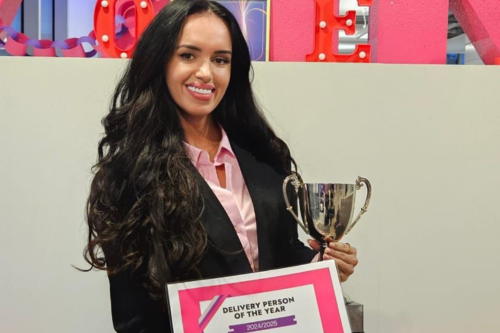
The Importance of Preparation and Authenticity in Interviews
Charlotte Robinson: What’s the biggest mistake you see candidates make during interviews?
Andreea Bobilca:
“One of the biggest mistakes I see is when candidates underestimate the value of being genuine and prepared at the same time. Technical skills matter, of course, but attitude, communication, and emotional intelligence often make the difference.
Sometimes people focus so much on giving the ‘perfect’ answer that they forget interviews are also about connection and trust. I always appreciate candidates who are honest about their experience, show willingness to learn, and come with a positive, professional energy.”
Preparation remains one of the most important aspects of a successful interview. Research from the employer, understanding the role requirements, and being ready to discuss previous experience clearly can help candidates stand out in a competitive market.
Candidates looking to improve their interview performance can also benefit from reviewing communication techniques, industry trends, and employer expectations before attending interviews.
According to a LinkedIn Global Talent Trends report, soft skills continue to be among the most in-demand qualities employers look for during recruitment processes.

The Skills Aviation Companies Are Looking For
Charlotte Robinson: What skills are companies struggling to find the most?
Andreea Bobilca:
“In aviation especially, companies are struggling to find a balance between technical competence and reliability. Certifications and experience are important, but what clients value even more now are soft skills, communication, adaptability, teamwork, accountability, and people who can perform well under pressure.
Good technicians exist but finding professionals who are both skilled and dependable is becoming more difficult.”
The aviation industry continues to face global skills shortages, particularly as airlines, MRO providers, and aerospace organisations expand operations and invest in digital transformation. Alongside engineering expertise and certifications, employers increasingly value candidates who can integrate into teams quickly and contribute positively to workplace culture.
The International Air Transport Association (IATA) has also highlighted ongoing workforce challenges across the aviation and aerospace sectors.
As the industry evolves, professionals who combine technical ability with strong interpersonal skills are likely to remain highly sought after.
Looking Beyond the CV
Charlotte Robinson: How do you decide which candidates to put forward?
Andreea Bobilca:
“I look beyond the CV. Of course, I check experience, approvals, qualifications, and whether the profile matches the project requirements, but I also pay attention to mindset and professionalism.
I ask myself: Would this person represent both themselves and the company well on site? Good communication, honesty, responsiveness, and attitude during the recruitment process say a lot about how someone will perform in the role.”
Recruitment today is about far more than qualifications alone. Employers want professionals who can represent their organisation positively, work collaboratively, and adapt to changing project requirements.
For candidates, this means every interaction during the recruitment process matters. Prompt communication, professionalism during interviews, and a positive attitude can significantly influence hiring decisions.
At VHR, specialists work closely with both clients and candidates to ensure the right technical and cultural fit for every role, helping businesses secure talent that supports long-term project success.

How Companies Can Attract Better Talent
Charlotte Robinson: What small changes can companies make to hire better talent?
Andreea Bobilca:
“I think companies sometimes forget that recruitment is also about the candidate experience. Small things make a big difference, clearer communication, faster feedback, realistic expectations, and treating candidates with respect throughout the process.
The strongest professionals usually have options, so transparency and professionalism from the beginning help attract and retain better talent. Also, companies that invest in people long-term, not just for immediate needs, tend to build stronger teams.”
Candidate experience has become increasingly important across technical recruitment sectors. Delays in communication, unclear job expectations, or lengthy interview processes can discourage highly skilled professionals from progressing their applications.
Businesses that focus on transparency, professional communication, and long-term workforce development are often better positioned to attract and retain skilled talent in competitive industries like Aerospace & Aviation.
Research from Glassdoor found that positive candidate experiences can significantly improve employer reputation and increase acceptance rates for job offers.
Recruitment in Aviation Is Continuing to Evolve
The aviation industry remains one of the world’s most exciting and technically advanced sectors, offering opportunities for professionals across engineering, maintenance, operations, and manufacturing.
As the market continues to adapt to new technologies, workforce shortages, and increasing project demands, recruitment strategies must evolve alongside it. Technical expertise remains essential, but communication, professionalism, and reliability are becoming equally important factors for long-term success.
For candidates, preparation and authenticity can make a significant difference during interviews. For employers, investing in candidate experience and long-term workforce planning can help secure stronger talent pipelines.
VHR continues to support aviation businesses and professionals globally through specialist recruitment solutions designed for fast-moving technical industries.
Related VHR Content
- Explore Aerospace & Aviation opportunities at
VHR Aerospace & Aviation Recruitment - Read more career advice from VHR:
7 Easy Ways to Stand Out from Other Job Applicants - Learn more about digital transformation in aviation:
How the Aviation Industry Is Shifting to a Digital Strategy - Browse the latest technical recruitment insights:
VHR News & Blogs