


Salary Disclosure in Job Postings for British Columbia, Prince Edward Island, Ontario, and Newfoundland & Labrador
Why has pay transparency been enforced in Canada?
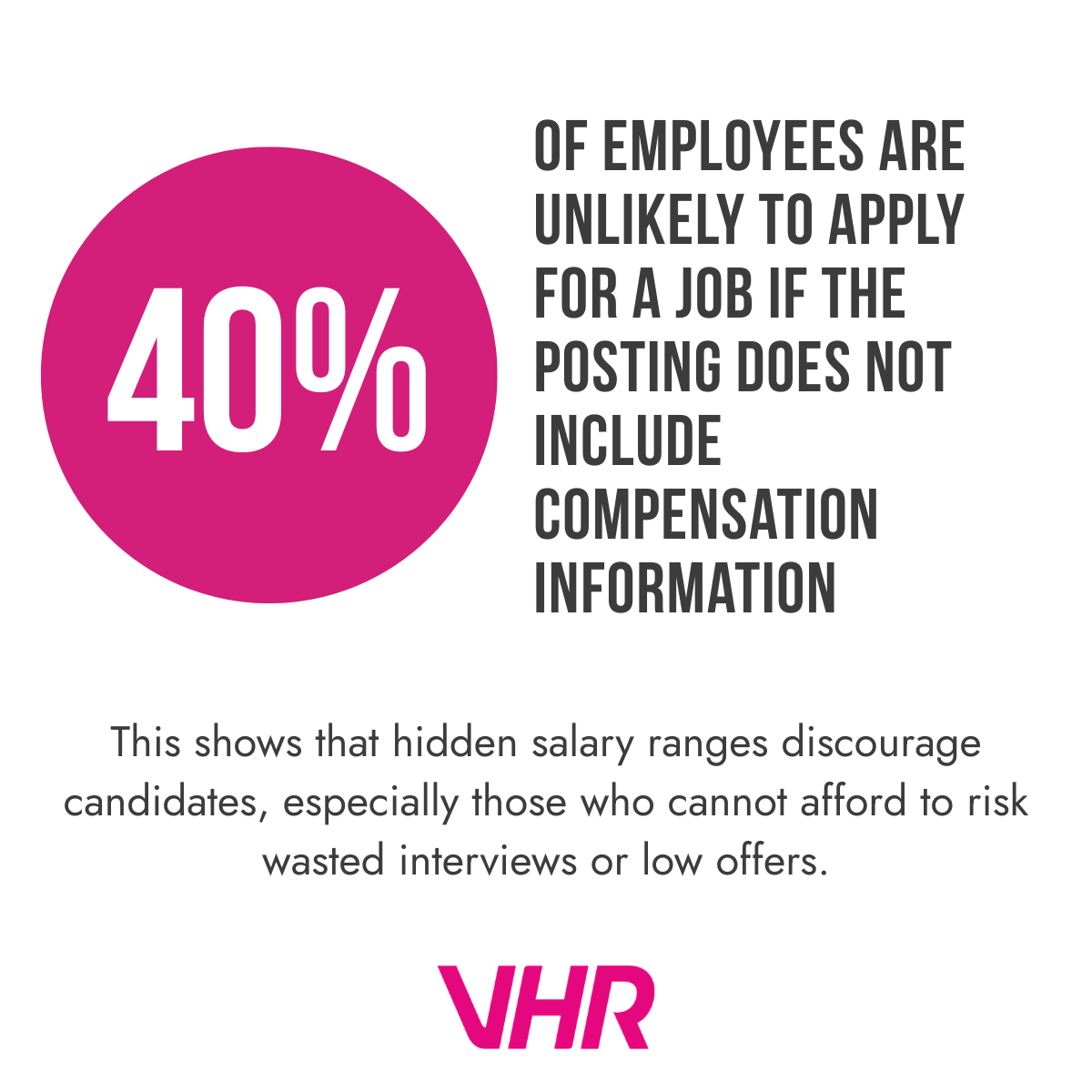
Pay transparency legislation is being introduced to support pay equity and reduce hidden pay gaps. When job adverts do not include pay information, candidates often have to negotiate without a clear benchmark.
Over time, this can reinforce unequal pay, particularly if candidates feel pressure to accept lower offers to secure a role.
In British Columbia, the government has positioned pay transparency as part of closing wage gaps, including preventing employers from asking candidates for pay history information. In Prince Edward Island, the provincial guidance explains that public job postings must include expected pay or a pay range, alongside measures that support transparency in hiring.
What is now prohibited in job postings and hiring processes?
Alongside salary disclosure, provinces that have introduced pay transparency rules typically also include “prohibited practices” intended to break cycles of underpayment.
Asking applicants for their salary history
In areas with these laws, employers cannot legally ask applicants about their salary history.
This is designed to prevent a candidate’s future pay from being anchored to their past pay, which can reinforce underpayment. British Columbia’s approach is widely summarised in employer guidance and commentary, including restrictions on pay history questions.
Prince Edward Island’s official guidance also states that employers cannot seek pay history information from applicants.

Practical implications for recruiters and hiring managers
This is not only about what you publish in a job advert. It also affects screening calls, application forms, and interview scripts. If your process still includes “current salary” or “previous earnings” fields, those should be reviewed for the provinces where pay transparency rules apply.
Province by province: What Employers Must Include in Job Adverts

British Columbia (in effect from 1 November 2023)
British Columbia requires employers to include wage or salary information on publicly advertised job postings, effective 1 November 2023. The BC Government also provides guidance for what counts as wage or salary information in job postings.
Prince Edward Island (in effect from 2022)
Prince Edward Island requires employers who publish publicly advertised job postings to include the expected pay or an expected pay range. The province also confirms employers cannot seek pay history information from applicants.
Ontario (in effect from 1 January 2026)
Ontario’s changes took effect on 1 January 2026, with new job posting requirements for provincially regulated employers under the Employment Standards Act framework. Ontario’s official “Recent changes” page outlines that these rules came into force on 1 January 2026.
It is important for employers to apply the rules correctly in practice:
· What “wages” means for disclosure: the legislation applies to wages as defined under Ontario’s Employment Standards Act. This includes payments required under an employment contract, such as salary, non-discretionary bonuses, car allowances, and commissions based on a fixed formula.
· What is not included in the range: the posted range does not include discretionary bonuses, pensions, or benefits.
· Hourly rates and salaries: the range applies to hourly-paid roles as well as salaried roles.
· Fixed salary is allowed: employers may choose to post a fixed amount instead of a range.
· $200,000+ exemption: Roles that pay more than $200,000 in wages per year are exempt from the compensation disclosure requirement.
· Keep ranges realistic: the range should reflect the genuine parameters of the role, not be used purely to cast a wider net. While this is often framed as best practice, it also aligns with legal commentary that salary information should reflect reasonable expectations of pay.
· Avoid ranges that are too broad: if a range is overly broad, candidates may struggle to understand the seniority and level of the position. This is increasingly highlighted in employer guidance as a practical risk for attraction and clarity.
Ontario also limits how wide a posted compensation range can be in many cases, which affects how you structure adverts and internal approvals.
Newfoundland & Labrador (legislation introduced, with staged commencement)
Newfoundland & Labrador passed pay equity and pay transparency legislation in 2022, with government communications outlining the intent to address pay equity and transparency across sectors.
Legal commentary notes that the Pay Equity and Pay Transparency Act includes pay transparency requirements, with timing for broader implementation brought in through commencement and regulations.

What this means for technical hiring and recruitment teams
For technical sectors, salary transparency can improve hiring outcomes when it is handled carefully. Clear pay details can reduce drop-off late in the process, support more relevant applications, and help recruiters focus conversations on the scope of work, rotations or shifts, location, project duration, clearance requirements, and progression.
This is also a chance to build trust. When candidates can see the pay range up front, it often signals that an employer has done the work to define the role clearly and align the budget with expectations.
Where VHR can support employers and candidates
As pay transparency becomes the norm, employers are updating job advert templates, approval processes, and recruiter training. Candidates are also adjusting their expectations around what “good” looks like in a job posting. VHR supports both sides by helping define role scope, set market-aligned pay ranges, and communicate opportunities clearly across international technical markets.
Further reading on VHR
· Browse live roles: https://www.v-hr.com/jobs/
· 7 Easy Ways to Stand Out from Other Job Applicants
· What Does the Right to Work Mean for International Job Seekers


