

What Is the National Grid and Why Is It So Important to the UK?
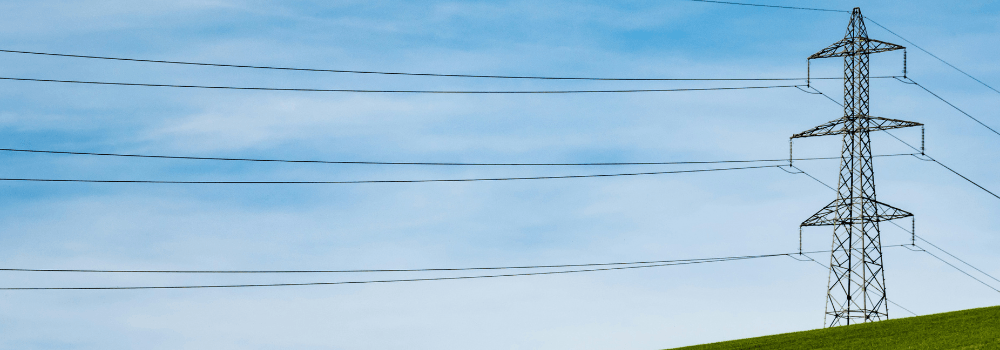
The National Grid is the high voltage electricity transmission network that moves power from where it is generated, such as power stations, wind farms and interconnectors, to local distribution networks. These local networks then deliver electricity to homes, businesses and industry across Great Britain.
In simple terms, the National Grid is the backbone of the UK’s electricity system.
For professionals working in Engineering & Manufacturing, Civils & Infrastructure and Renewables & Energy, understanding how the National Grid operates is essential. It underpins economic growth, energy security and the UK’s transition to a low-carbon future.
Want to discuss more about how VHR works within the renewables industry? Click here
What Is the National Grid?
The National Grid is Great Britain’s main electricity transmission system. It operates at very high voltages, typically 275 kV and 400 kV in England and Wales, allowing electricity to travel long distances efficiently with minimal energy loss.
The system is made up of:
· Overhead transmission lines
· Underground cables
· Substations that step the voltage up or down
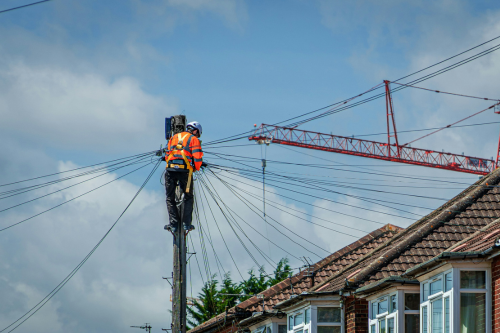
The transmission network covers England, Wales and Scotland. Northern Ireland has a separate system that is integrated into the Irish Single Electricity Market.
It is important to distinguish between transmission and distribution. The National Grid handles transmission, moving electricity across long distances. Regional distribution network operators then reduce the voltage and deliver power safely to homes and workplaces.
Balancing supply and demand in real time is handled by the National Energy System Operator, formerly known as National Grid ESO. The system must remain stable at 50Hz to prevent disruption or blackouts.
As investment in grid infrastructure accelerates, demand continues to grow for skilled professionals across high voltage engineering, substation and cable projects, project management, commissioning and maintenance. This is where VHR supports the industry. Through our Renewables & Energy specialisms, VHR helps clients access technical talent for critical power network projects, and supports candidates in finding contract and permanent opportunities across the electricity transmission and wider energy sector. We provide consultative recruitment that matches skillsets to project requirements, helping keep essential infrastructure programmes resourced and moving forward.
What Does the National Grid Do?
The National Grid plays several critical roles in keeping the UK powered.
1. Moving Electricity Efficiently Across the Country
Using high voltage lines between 275 kV and 400 kV, electricity can be transmitted over long distances with reduced losses. This allows energy generated in one region, such as offshore wind farms in Scotland, to power cities and industry in England and Wales.
Efficient transmission supports economic productivity and ensures consistent access to electricity across Great Britain.
2. Ensuring Electricity Is Available When Needed
Electricity demand changes throughout the day and across seasons. The system must balance supply and demand instantly to maintain stability at 50Hz.
According to National Grid ESO, balancing services are used to manage fluctuations and avoid outages. You can read more about system balancing on the National Grid website: https://www.nationalgrid.com/electricity-transmission/what-we-do
Without real-time coordination, even small mismatches between supply and demand could cause major disruption.
3. Enabling the Renewable Energy Transition
The National Grid connects renewable energy sources such as wind, solar and nuclear to the national system. As the UK accelerates its move towards net zero, the Grid must accommodate increasing volumes of intermittent renewable generation.
The UK government has committed to a fully decarbonised power system by 2035, subject to security of supply. More details can be found on GOV.UK:
https://www.gov.uk/government/publications/powering-up-britain
Interconnectors linking the UK to Europe also allow electricity to be imported and exported, improving resilience and flexibility.
4. Supporting Local Networks
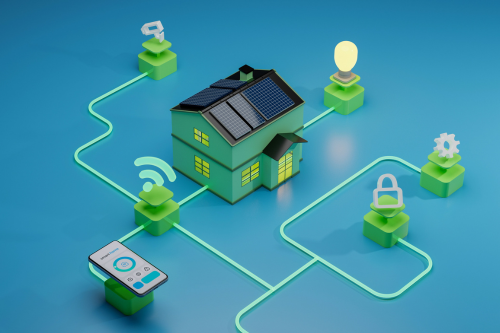
Transmission feeds into regional substations, where voltage is stepped down before entering local distribution networks. This multi-stage structure ensures electricity is delivered safely and reliably to every building.
5. Strengthening Energy Security
A nationwide transmission system increases resilience. If one generator goes offline, others across the country can increase output. This interconnected structure is central to the UK’s energy security.
6. Influencing Energy Markets and Costs
A stable and efficient grid supports competition between generators and helps manage electricity flows. Market stability is essential for fair energy pricing and long-term infrastructure investment.
What Is Not Included in the National Grid?
The National Grid transmission system covers Great Britain only. Northern Ireland operates a separate transmission network, integrated with the Irish electricity market.
Local distribution networks are also not part of the National Grid. These are operated by regional distribution companies.
Why the National Grid Matters for Technical Careers
The National Grid is not only a critical infrastructure. It is also a major source of opportunity.
The UK energy transition requires:
- Grid expansion and reinforcement
- Substation upgrades
- Integration of offshore wind
- Digitalisation and smart grid technology
- Cybersecurity and system resilience
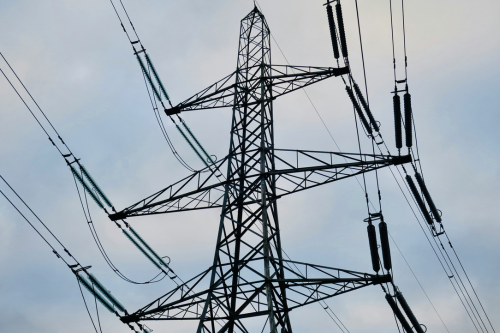
This creates strong demand for Electrical Engineers, Project Managers, Civils specialists, HV Technicians and Renewable Energy professionals.
The move towards decentralised generation, battery storage and electric vehicle charging infrastructure means the Grid must evolve rapidly. Skilled professionals will play a key role in designing, building, and maintaining this system.
At VHR, we work across Renewables & Energy to support clients delivering essential infrastructure projects worldwide. As the energy landscape changes, access to skilled technical talent will remain critical.
If you are hiring for grid modernisation projects or looking to advance your career within the energy sector, specialist technical recruitment support can make a significant difference.
The Future Challenges Facing the National Grid
To deliver a stable, affordable, and low-carbon energy future, the National Grid must address several key challenges:
- Integrating increasing volumes of renewable energy
- Upgrading ageing infrastructure
- Expanding transmission capacity
- Maintaining system stability
- Managing investment costs
- Adapting to decentralised and distributed energy generation
The scale of transformation required is significant. However, it also presents long-term career opportunities for engineers and technical specialists across the UK and internationally.
The National Grid is the backbone of Great Britain’s electricity system. It ensures electricity can travel efficiently across the country, balances supply and demand in real time and supports the UK’s clean energy transition.
As the UK invests heavily in infrastructure and renewable energy, the Grid will remain central to national resilience and economic growth.
For organisations delivering energy and infrastructure projects, securing the right technical talent is essential. For professionals, it is an exciting time to build a career in a sector that directly shapes the future of the country.
Explore More from VHR
If you are interested in working within energy and infrastructure, explore our dedicated Renewables & Energy page:
https://www.v-hr.com/renewables-energy/
You may also find these articles useful:
· Renewable Energy: The Solution to the Energy Crisis
· The Urgency of Developing Green Fuel
· The Future of Green Energy


