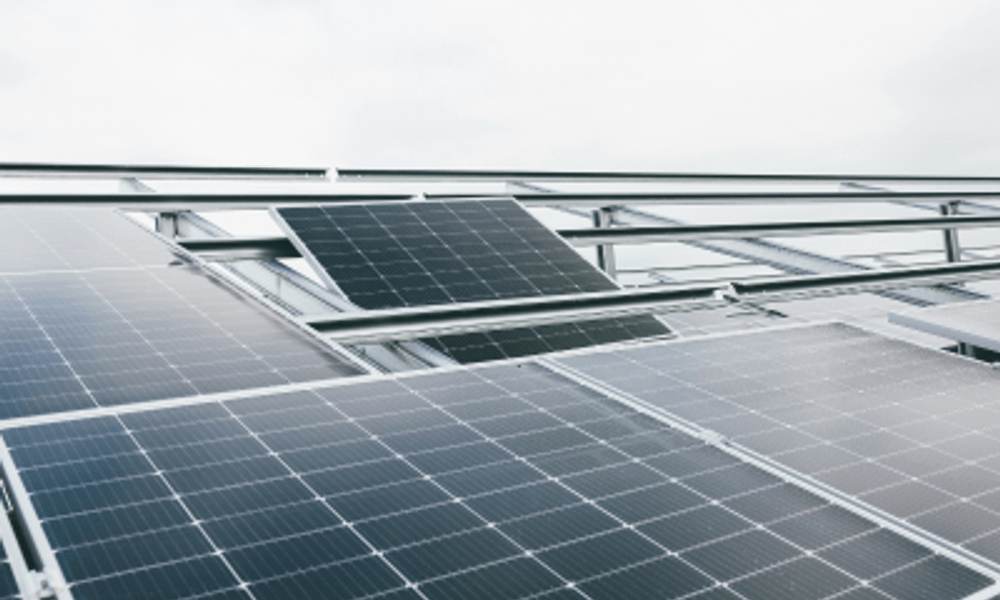

How is Europe coping with the pressure of the grid?
Renewable energy projects are missing their deadlines at scale, with planning permission and financing taking most of the blame. Both cause real problems, but a less visible constraint is the availability of the engineers needed to build and operate the grid. The availability of engineers with the right transmission and grid-operating experience appears to be too small for the pace of planned buildout. A wind farm with no grid connection produces nothing, and extending or upgrading the grid requires a very specific set of people to do it.
What the Investment Numbers Actually Require
If you look at the numbers coming out of Brussels, Europe's energy transition is getting considerably more expensive. The European Commission's Grid Action Plan originally called for €584 billion in network investment by 2030. By December 2025, when the European Commission published the EU Grids Package, it said Europe would need about €1.2 trillion in electricity grid investment by 2040.
The package is intended to accelerate cross-border grid expansion so countries can share more electricity and connect new renewable projects.
The reason those numbers matter for hiring is that capital of that scale depends on engineers with very specific experience. Power Systems Engineers often take years to become fully effective because much of the relevant experience comes from working on live infrastructure. There is no accelerated route to it. These specialists have become harder to find over the past few years, partly because the role itself has changed. Grid modernisation requires technical skills that many senior candidates may not yet have.
Because of this, grid connection constraints are now one important reason green energy projects in Europe are delayed.
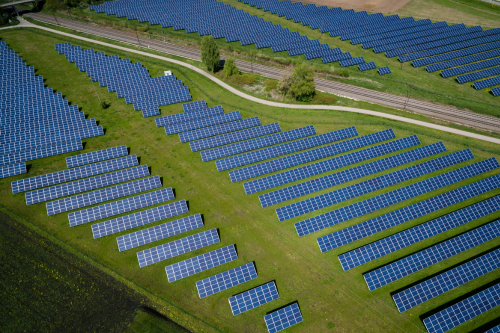
Europe Is Where the Pressure Is Highest Right Now
The European Labour Authority's 2024 report shows that labour shortages remain widespread across the 31 surveyed countries, including in engineering and electrical roles. In Germany alone, tens of thousands of roles in energy-transition-related sectors went unfilled in 2024, with electrical engineers and electricians among the most in-demand positions. Similar shortages are being reported across Europe.
For grid operators, industry surveys indicate that many European power companies are already facing project delays linked to skilled-worker shortages. Many also report difficulty finding engineers with experience in modern grid technologies such as digital substations and data analytics. These companies may already have funding and project plans in place, so worker shortages are becoming a present day delivery bottleneck.
The Demographics Make This Worse Over Time
Part of what makes this so hard to fix quickly is a dual constraint caused by rising demand and a shrinking candidate pool. Demand for these projects is rising while the available candidate pool is shrinking. Industry analyses suggest that one-third of Europe’s power grid engineers are over 50, with many approaching retirement age.
The entire energy industry is aging faster than new graduates can replace them, meaning we aren't filling empty roles fast enough to keep up with all the new projects being built.
What This Means if You Are Hiring in Power and Renewables
A big part of the hiring problem actually starts with the job description. Companies are still advertising for certain job titles using old profiles built for outdated infrastructure. This means they are demanding experience on systems that most of Europe doesn't even use anymore. By filtering for these old requirements, companies are quietly ruling out the exact modern candidates who could actually do the job.
Engineers with relevant experience already have jobs, so they aren't browsing job boards. What we tend to find is companies that hire well start looking earlier than expected. If you wait until a role is empty and try to find someone in six weeks, the hiring process becomes much harder and your pool of candidates becomes incredibly narrow. That said, external factors do not always make long-term planning possible. If your timeline is compressed, widening the search and accelerating the process becomes the only way to close the gap.
The biggest thing companies miss is where they are actually looking for talent. Most European energy firms default to hiring within their own country, which limits them to a tiny pool of candidates that everyone else is already fighting over. In reality, the engineer with the perfect background might be based in Norway, Germany, or even Australia. The organisations that successfully fill these roles treat an international search as a standard starting point alongside a domestic search.
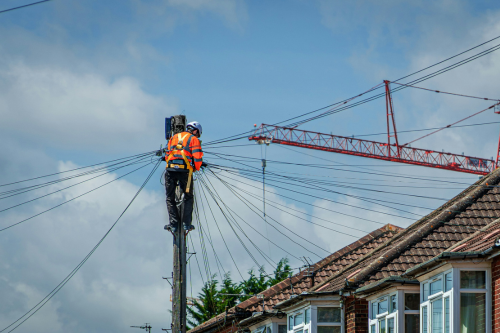
How VHR Works With Organisations Hiring in Power and Grid
VHR is a specialist technical recruitment consultancy with a dedicated practice in Energy & Renewables. We support organisations hiring across transmission, grid infrastructure, and network operations, on both a permanent and contract basis.
In practice, we keep an active network of candidates across all the major grid and protection engineering specialties. These are the exact roles where hiring takes the longest, and where finding a candidate who isn't actively looking for a job is often your only real option.
If your organisation has roles that are not moving, a project phase on the 12 to 18 month horizon, or a workforce plan that needs testing against current market supply, you can find out more about how we work here. The earlier that conversation starts, the more useful we can be to your project timeline.
Further Reading
You might also find these VHR articles relevant: