

What Are Solar Panels?
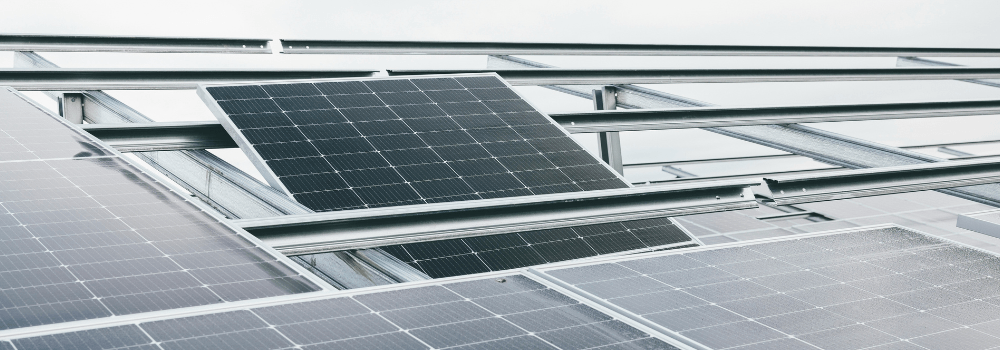
Solar panels, also known as photovoltaic (PV) panels, capture the sun’s energy and convert it into electricity for home use. They are made of layers of semiconducting materials, most commonly silicon, which generate an electrical current when exposed to sunlight. Solar PV systems can power household appliances, reduce electricity bills, and cut carbon emissions, making them one of the most popular renewable technologies for UK homes.
We have our Energy and Renewables team based right here in the UK. Do you want to speak with them to see how they can help you today? Click here
How Do Solar Panels Benefit Your Home?
Solar panels offer several significant advantages for homeowners:
- Lower Electricity Bills: Generating your own clean electricity allows you to use less from the grid.
- Smart Export Guarantee (SEG): You can earn money by exporting surplus energy back to the grid.
- Reduced Carbon Footprint: Solar power is clean and renewable, helping support a net-zero future.
- Works Even in Cloudy Weather: Contrary to popular belief, solar panels still produce energy on cloudy days.
- Increased Energy Independence: With battery storage, homeowners can keep excess solar power for later use.
How Do Solar Panels Work?
Solar energy systems operate by converting sunlight into usable electricity:
- Sunlight hits the PV cells, exciting electrons inside the semiconductor material.
- This creates direct current (DC) electricity.
- A solar inverter converts DC into alternating current (AC) the type used in homes.
- Electricity can then be used immediately, stored in a battery, or exported to the grid.
Solar power is clean, renewable, and produces no greenhouse gas emissions during operation. The photovoltaic effect has been in use since the 1950s and is the core process behind modern solar electricity generation.
What Careers Are Available Within the Solar Energy Market?
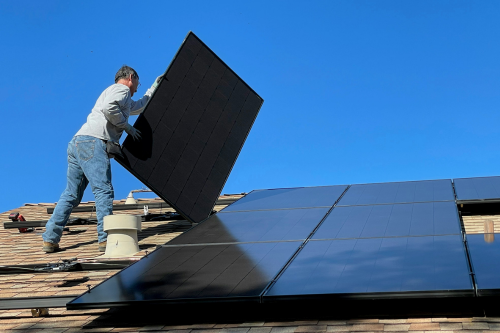
The solar sector is rapidly expanding, creating a wide range of new career opportunities across installation, engineering, grid services, and operations.
National Grid highlights how PV systems work and the increasing need for skilled professionals to support renewable energy growth, from technicians and project installers to electrical specialists and system designers.
While their page explains how solar electricity integrates into the grid, it also illustrates the growing need for professionals capable of installing, maintaining, and optimising PV systems.
How Quickly is the Solar Panel Market Growing?
Europe’s Global Market Outlook 2025–2029 solar is experiencing record‑breaking worldwide growth:
- 597 GW of new solar capacity was installed globally in 2024—a 33% increase over 2023.
- Total global capacity reached 2.2 TW by the end of 2024.
- Forecasts predict global installations could reach 1 TW per year by 2030.
- China contributed 329 GW in 2024, representing 55% of global installations.
This confirms solar as the fastest‑growing renewable technology in the world, with rapid expansion predicted across Europe, India, APAC, and the Americas.
What Are the Future Challenges in the Solar Energy Market in the UK?
Common UK challenges include:
- Grid capacity constraints and slow connection times
- Regional planning resistance to large solar farms
- Need for more trained renewable energy professionals
- Upfront installation costs and variable government support
- Integrating solar‑plus‑storage at scale
What Are the Future Challenges in the Solar Energy Market Globally?
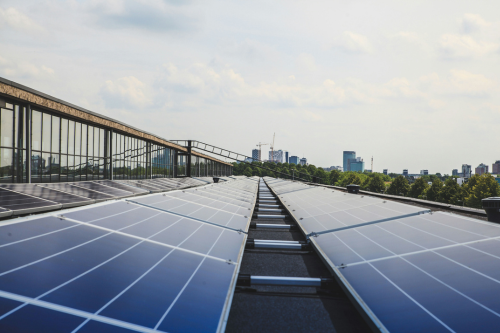
Goldman Sachs outlines several global-level challenges facing solar energy expansion:
1. Grid Instability & Negative Power Prices
Solar energy can overwhelm grids during periods of excess generation, causing wholesale electricity prices to drop below zero, as seen in markets like Australia and California.
2. Policy Shifts in Major Economies
China has removed guaranteed grid access and minimum purchase prices for new large-scale solar projects, reducing market certainty.
The US is also tightening policy support, creating future uncertainty for developers.
3. Demand–Supply Mismatches
High solar penetration leads to frequency swings in the grid, contributing to blackouts, as observed in Spain and Portugal.
4. Long-Term Growth Still Expected
Despite these challenges, Goldman Sachs expects global solar installations to reach 914 GW by 2030, a 57% increase over 2024, driven by falling costs, strong public support, and zero marginal fuel costs.
Solar energy is expanding at an unprecedented speed, driven by affordability, climate commitments, and technological innovation. The trusted high‑authority sources you provided, Energy Saving Trust, EDF, National Grid, Solar Power Europe, and Goldman Sachs, all reflect the same reality:
Solar is now a cornerstone of the global clean‑energy transition, offering major benefits to homeowners, business owners, and the planet.


