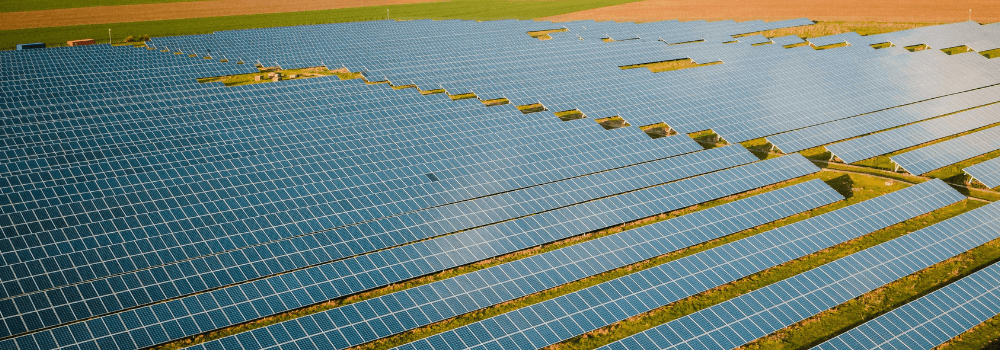

Solar & Storage 2026: A Key Event for the Renewable Energy Sector
Solar & Storage Live 2026 at ExCeL London proved to be one of the most comprehensive gatherings the UK renewable energy sector has seen in recent years. Spread across two packed days, the expo covered the full breadth of the industry. From small-scale residential installations through to major utility-scale infrastructure, drawing together engineers, installers, investors, technology developers, and senior leaders all under one roof.
For organisations operating across the solar and battery storage landscape, the show offered a clear view of where the market is heading, the challenges that still need solving, and where the most significant opportunities are beginning to take shape.
For VHR, the event was a valuable opportunity to hear directly from businesses delivering renewable energy projects, and to understand the common trends shaping hiring, investment and project delivery across the sector.
Solar and Storage Growth Continues to Accelerate
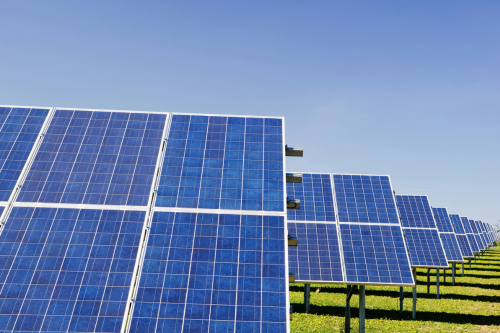
Solar and battery storage are booming right now, driven by a mix of government incentives, corporate investment, and huge public demand. However, the main issue is that the industry just can't build and supply components fast enough to keep up.
The UK Government’s clean energy mission aims to deliver clean power by 2030 and accelerate progress towards net zero. The Clean Power 2030 Action Plan also highlights the need to build an energy system that can support households and businesses for the long term.
This is creating more demand for solar projects and the skilled people needed to deliver them. But the pressure to execute is mounting. Energy businesses are contending with complex planning requirements and an increasingly competitive labour market. As demand for specialist skills outpaces supply, experienced professionals have more choice than ever, making attraction and retention a real challenge for energy businesses.
Recent installation data also shows growing public interest in solar. Open Access Government reported that March 2026 saw more than 27,000 UK solar installations, the highest monthly figure in over a decade, with rooftop systems making up around two-thirds of new installations.
This growth is positive, but it also creates a clear challenge. The market needs a mix of technology, investment, infrastructure and talent to move at the same speed that demand is currently revealing.
Key Takeaways from Solar & Storage 2026
Battery Storage Is Becoming a Default Part of Renewable Energy
Battery storage is no longer seen as an optional addition to renewable energy projects. It is becoming a central part of how solar energy is used, managed and delivered.
Solar power is great during the day, but it doesn't always align with when we’re actually using electricity. Battery storage bridges that gap, capturing additional energy so it’s available when needed most. This strengthens the grid and ensures we aren't letting clean power go to waste.
This shift matters for energy leaders because it shows that demand is coming from several directions. Utility-scale projects remain important, but residential and commercial adoption are also becoming stronger parts of the market.
Grid Connection Remains a Major Challenge
Grid connection was one of the biggest themes across the event. Businesses want to deliver solar and storage projects, but connection delays and capacity issues continue to slow progress.
NESO has highlighted that Great Britain had more than 700GW in the old connection queue, with some shovel ready projects waiting up to 10 years. This backlog created uncertainty for developers and slowed investment in viable clean energy projects.
Connection reform is now underway, but businesses still need to plan carefully. A strong project pipeline is not enough if connection timelines and technical resources are not aligned.
Skills Shortages Are Slowing Project Delivery
As the market grows, so does the pressure on hiring. Businesses need the technical talent to actually deliver these projects, and finding it is becoming increasingly difficult.
The UK Government’s assessment of the clean energy skills challenge recognises that the Clean Energy Mission will need a skilled workforce to deliver projects at pace. EngineeringUK has also highlighted the need for a strong engineering and technology workforce to support the clean energy mission.
This is not only about the number of people available. It is also about specialist knowledge. Many experienced workers across energy, engineering and infrastructure are over 50, meaning some of the most important project knowledge could leave the workforce in the coming years. At the same time, younger workers need clear routes into solar, storage and wider renewable energy careers. Looking beyond the immediate talent pool is becoming equally important, professionals from adjacent industries such as oil and gas, defence, or conventional power generation often bring foundational skills that translate well into solar and storage, and are increasingly worth considering as part of a broader hiring strategy.
For businesses, this means hiring cannot be left until the final stage of a project. Workforce planning needs to begin early, especially for roles that require specialist technical knowledge.
Investment Confidence Remains Cautious
Investor confidence in large-scale renewable projects is currently facing significant strain. Between fluctuating project costs and the ongoing frustration of grid delays, the landscape has become increasingly difficult for those trying to justify long-term financial commitments.
However, the short-term opportunity remains strong for organisations that already have committed projects to deliver. These businesses still need to meet deadlines, protect budgets and build reliable delivery teams, even when market sentiment is cautious.
This creates a practical hiring challenge. Companies may want to control costs, but they also need the right people in place to keep projects moving. Delayed hiring can lead to missed milestones, increased contractor costs and pressure on existing teams.
The 2050 Goal Needs People as Well as Technology
The UK’s 2050 net-zero target is not only a technology challenge, but it is also a workforce challenge.
The Climate Change Committee’s Seventh Carbon Budget confirms that the UK is committed to reaching net zero greenhouse gas emissions by 2050. It also highlights the need for major action across buildings, transport, industry and energy systems.
To reach the 2050 goals, the industry needs to move beyond hardware alone. Solar panels, batteries, grid upgrades and low carbon heating systems all need skilled people to design, install, commission and maintain.
Talent is the bottleneck most energy storage businesses don't talk about until it's already costing them
What This Means for Renewable Energy Businesses
For renewable energy businesses, the message from Solar & Storage 2026 was clear. The opportunity is strong, but delivery will depend on planning.
Companies need to avoid the panic hire cycle. Waiting until a project is already under pressure can make it harder to secure the best people, especially in the more specialist roles where finding someone who actually knows the job isn't as simple as posting on LinkedIn.
The businesses that hire ahead of their project timelines, not in response to them are usually the ones that avoid the scramble. Whether that's a permanent hire to anchor the team or contract engineers brought in for specific phases, getting the right people in place early is what keeps projects on schedule
Early workforce planning also helps businesses identify technical roadblocks before they become harder to solve. This is especially important in solar and battery storage, where grid connection, permitting, commissioning and safety requirements can all affect project timelines.
Looking Ahead
Solar & Storage 2026 showed that the renewable energy sector is growing fast. Solar adoption is rising, battery storage is becoming essential and the UK’s clean power targets are creating new opportunities across the market.
However, success will depend on balance. Technology must continue to improve. Grid infrastructure must support faster deployment. Investment needs greater certainty. Most importantly, skilled people must be available when projects need them.
The companies that plan early, build strong teams and invest in talent will be best placed to deliver.
How VHR Supports the Solar and Storage Sector
VHR is a specialist technical recruitment consultancy with a dedicated practice in Energy & Renewables. We support renewable energy companies with permanent and contract talent across solar, battery storage, engineering, construction, commissioning and operations.
In practice, that means we maintain active candidate networks across HV transmission, offshore wind project delivery, BESS integration, and grid connection planning. These are the exact roles where time-to-hire is longest, and the passive candidate pool is hardest to access through conventional advertising.
If your organisation has roles that are not moving, a major project on the 12 to 18 month horizon, or a workforce plan that needs to be tested against current market supply, VHR can help. The earlier we start that conversation, the more value we can add to your project.
Get in touch with our team here
Read more from VHR
Energy & Renewables Recruitment Experts: https://www.v-hr.com/specialties/energy-renewables-recruitment-company/
Renewable Energy: The Solution to the Energy Crisis: https://www.v-hr.com/blog/renewable-energy-the-solution-to-the-energy-crisis/
The Future of Green Energy: Growing Faster Than Ever: https://www.v-hr.com/blog/the-future-of-green-energy/
Explore VHR Jobs: https://www.v-hr.com/jobs/