


The global space industry is entering a period of rapid growth. Missions like Artemis II are not only advancing human exploration beyond Earth but also creating new opportunities for engineers, technicians, and specialists across multiple industries.
As governments and private organisations increase investment in space, the demand for skilled professionals continues to rise. Artemis II is a key milestone in this journey, shaping both the future of space exploration and the careers that will support it.
At VHR, we support the space sector through our expertise in Aerospace & Aviation recruitment, connecting organisations with highly skilled engineering and technical professionals worldwide. As space exploration continues to grow, many of the technologies and skills required overlap with advanced aviation and defence systems, including propulsion, avionics, manufacturing, and systems engineering.
Contact our Aerospace and Aviation Team directly here: https://www.v-hr.com/contact-our-aviation-specialists/
What Is Artemis II and Why Does It Matter?
Artemis II is NASA’s first crewed mission in its Artemis programme, designed to send astronauts around the Moon and return them safely to Earth. This mission builds on previous testing and represents a critical step towards establishing a long-term human presence beyond our planet.
More importantly, Artemis II is not just about exploration; it is about building the infrastructure, technology, and workforce required for the future of space travel.
For more information:
https://www.nasa.gov/missions/nasa-answers-your-most-pressing-artemis-ii-questions/
https://www.bbc.com/news/articles/cx23p6j5gxgo
The Astronauts Behind Artemis II
The Artemis II mission will include four astronauts, highlighting international collaboration in modern space programmes:
- Reid Wiseman
- Victor Glover
- Christina Koch
- Jeremy Hansen
The inclusion of international crew members reflects the increasing role of global partnerships, including agencies such as NASA and the European Space Agency, in shaping the future of space exploration.
Learn more about the crew:
https://www.nasa.gov/feature/our-artemis-crew/
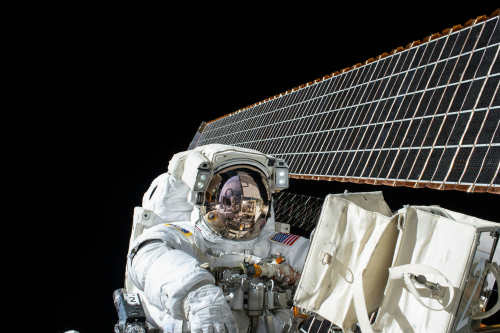
Building the Future of Space Exploration
Artemis II is a testing mission, but its long-term impact is much broader. The mission will validate systems that are essential for future lunar bases and eventual missions to Mars.
Key developments supported by Artemis II include:
- Advanced spacecraft systems and life-support technology
- Deep space navigation and communication
- Sustainable exploration strategies beyond Earth’s orbit
These innovations will influence multiple industries, from Aerospace & Aviation to Defence & Security. Engineering advancements developed for space often translate into real-world applications, improving systems and technologies used in everyday life.
How Long Will Artemis II Be in Space?
The Artemis II mission is expected to last around 10 days. During this period, astronauts will travel beyond the Moon and back, testing systems in deep space conditions.
This relatively short mission plays a vital role in preparing for longer, more complex missions in the future, particularly those targeting Mars.
Tracking Artemis II and Inspiring the Next Generation
NASA will provide live tracking and updates throughout the mission, allowing audiences worldwide to follow the spacecraft’s journey.
This visibility is important; it not only showcases technological capability but also inspires future engineers and scientists to consider careers in the space sector.
You can track the live mission here

The Growing Demand for Engineering Talent in Space
As the space industry expands, so does the need for highly skilled professionals. Artemis II highlights how complex and multidisciplinary space missions have become.
There is increasing demand across areas such as:
- Aerospace and systems engineering
- Software development and data analysis
- Advanced manufacturing
- Robotics and automation
Engineering already plays a critical role in global economies, contributing significantly to innovation, infrastructure, and job creation. The space sector is now becoming one of the most exciting areas for future growth.
You can learn more about VHR’s growing collaboration across these projects here
Careers in Space: What Candidates Need to Know
For professionals considering a career in space, the opportunities are expanding rapidly. However, competition remains high, and candidates must position themselves effectively.
Key skills include:
- Problem-solving and analytical thinking
- Strong communication and teamwork
- Adaptability in fast-evolving environments
Candidates who actively develop their personal brand and tailor their experience to industry needs are more likely to stand out in competitive recruitment processes.
VHR’s Role in Supporting the Space Workforce
At VHR, we recognise the importance of emerging sectors such as space exploration. As a global technical recruitment partner, we support organisations by sourcing skilled professionals across Aerospace & Aviation, Engineering & Manufacturing, and Defence & Security.
Large-scale missions like Artemis II rely on a global network of talent. From design engineers to project managers, the success of these missions depends on having the right people in place.
VHR works closely with clients and candidates to ensure access to the skills needed to support innovation and long-term growth within the space sector.
A New Era for Space and Careers
Artemis II represents a significant step forward in human space exploration. More importantly, it signals the beginning of a new era where space becomes a long-term, sustainable industry.
For engineers and technical professionals, this presents an exciting opportunity. As investment increases and technology advances, the demand for talent will continue to grow.
Whether you are an experienced professional or just starting your career, the space sector offers a unique chance to be part of something that is shaping the future of humanity.
Further Reading
- Aerospace & Aviation opportunities: https://www.v-hr.com/specialties/aerospace-aviation-recruitment-company/
- Engineering & Manufacturing careers: https://www.v-hr.com/specialties/engineering-manufacturing-recruitment-company/
- Read more industry insights: https://www.v-hr.com/blog/


