

The UK’s Transition to a Fully Digital eVisa System: What International Candidates Need to Know in 2026
The UK is entering a major modernisation phase in its immigration processes.
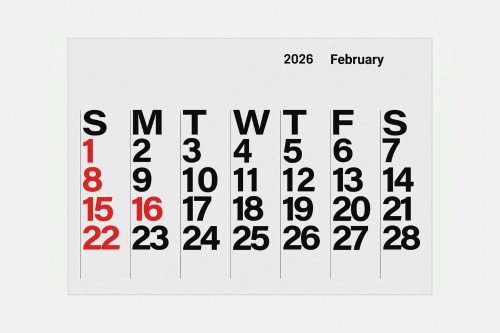
Beginning 25 February 2026, the government will start transitioning from traditional physical visa vignettes and biometric residence permits (BRPs) to a fully digital eVisa system.
According to official government updates, the aim is to improve security, streamline checks, and create a “modern, simple and secure” digital status for all visa holders in the UK (Gov.uk Updates on the Move to eVisas).
For international candidates preparing to travel to the UK for work placements, projects, or long-term employment, the shift represents one of the most significant changes to immigration procedures in years. Understanding how this transition will impact travel preparation, onboarding, and documentation is essential, particularly for candidates arriving between February and the end of 2026, when systems will operate in a hybrid state during the transition period.
If your organisation needs expert guidance navigating workforce recruitment during this change, VHR is supporting employers and international candidates through end-to-end recruitment, compliance, and project services. Get in touch with our consultants today to ensure a smooth transition for your incoming workforce.
What Is the UK’s New eVisa System?
The eVisa is a digital proof of immigration status that replaces the physical visa sticker in a passport and the biometric residence permit card. The digital status will be stored online and accessed via a secure UKVI account, which visa holders will use to:
- View their immigration status
- Update personal details
- Share their status with employers, landlords, or service providers
The UK government has confirmed that physical documents will no longer be issued and that the online system will become the sole proof of status (Gov.uk eVisa Update).
This shift is part of a long-planned digitalisation strategy. According to analysis from VisaHQ, the move eliminates the need for visa holders to carry physical evidence and aims to reduce fraud linked to lost or stolen documents.
How Will the Transition Affect Candidates Travelling to the UK for Work?
1. Candidates Will Need to Create a UKVI Account
Anyone who currently holds immigration status in the UK, including skilled workers, project-based staff, sponsored employees, students, and dependants, will need to set up a UKVI account in order to receive and access their eVisa.
This includes individuals who:
- Already hold a BRP or BRC
- Have a passport vignette
- Previously received digital proof through the “view and share” system
As organisations like UKCISA highlight, the account creation process will involve linking identity documents and ensuring that personal details match exactly across all records.
2. Hybrid Period: Physical Documents May Still Be Required Before February 2026
Candidates arriving before the full switch may still be issued a physical visa vignette alongside the digital status. According to government updates, the transition will take place in phases, meaning not all categories will move to digital simultaneously.
Employers and candidates should expect a mixed system in early and mid‑2026.
During this period, VHR will advise all candidates to carry both their digital approval and any physical documentation issued during the transition, ensuring smooth entry at the border and avoiding any delay at the onboarding stage.
3. Travel Will Become More Streamlined, Once the System Fully Launches
According to Gov.uk, once all candidates have eVisas, border checks will become faster, as immigration officers will access digital status directly. There is no risk of losing visas, damaging BRP cards, or facing issues due to mismatched stickers and passports.
VisaHQ notes that the long-term aim is to integrate digital status checks across transportation networks and service providers, allowing for seamless travel where candidates simply use their passport and eVisa without extra paperwork.
4. Non‑UK Residents Must Keep Their Digital Status Updated
The digital system places more responsibility on individuals to update personal information.
For example, changes to:
- Passport numbers
- Addresses
- Email and phone details
must be reported through their UKVI account.
Government guidance stresses this point clearly: incorrect or non-updated information may affect the ability to travel or prove the right to work.
VHR is actively supporting candidates through these steps as part of our recruitment and mobilisation service.
Potential Challenges Candidates Should Be Aware Of:
While the move to digital status is designed to improve security and efficiency, the transition period may involve some temporary hurdles.
1. Candidates with Limited Digital Access or Literacy
Homeless Link’s analysis highlights that vulnerable groups or individuals without consistent access to technology may experience challenges in the early stages of the rollout. Although most international workers will have digital access, VHR is taking proactive steps to support candidates who need assistance navigating the new system.
2. Ensuring Accurate Record Matching
Discrepancies in names, dates of birth, or passport details can delay the linking of an eVisa to an individual’s UKVI account. This is particularly relevant for candidates whose names include hyphens, multiple surnames, or non-Latin characters.
3. Possible Border Delays During Early Rollout
As with any national digital transformation, early congestion and longer processing times may occur.
However, the government states that the transition is designed to minimise disruption and that border systems have been prepared for phased implementation.
How VHR Is Supporting Candidates and Employers During the eVisa Transition
VHR plays a leading role in sourcing, mobilising, and managing international talent for engineering, aerospace, technology, defence, automotive, and renewable energy sectors.
During the eVisa transition, our teams are providing:
Travel and mobilisation coordination
We help candidates travel smoothly during the hybrid period, advising on which documents they should carry and how to present their digital status at the UK border.
Project and workforce deployment services
For clients operating large‑scale programmes, VHR manages onboarding, workforce movement, and compliance, reducing the organisational workload during a complex immigration system shift.
Ongoing digital‑status support
We assist candidates with updates to their immigration status, ensuring right‑to‑work documentation remains accurate and accessible throughout their employment.
What Employers Should Do Now
1. Prepare Early
Ensure your workforce planning and onboarding processes consider the new digital-only system.
2. Partner with a Specialist
Working with a recruitment and mobilisation expert like VHR ensures your candidates receive correct guidance, reducing onboarding delays.
3. Communicate Clearly with Candidates
Many workers may not yet be aware that their BRP cards or visa stickers will become obsolete. Proactive communication prevents confusion later.

A Modern System That Requires Careful Navigation
The shift to a fully digital eVisa marks an important step in the UK’s modernisation of immigration processes. While the system will eventually make travel and verification faster and more secure, there will be a learning curve, particularly for international workers arriving between now and the end of 2026.
VHR is working closely with candidates and employers to ensure every stage of the transition is smooth, compliant, and stress-free.
If your organisation will be hiring international workers into the UK in 2026, speak with VHR today to ensure your candidates transition seamlessly into the new digital era of UK visas.


