


Halon 1211 Fire Extinguishers: What the US & Canada Need to Know About Global Aviation Safety Shifts
What Is Halon 1211 and Why Is It Being Phased Out?
Halon 1211 is a bromine-based fire suppressant commonly used in portable fire extinguishers on aircraft. Known for its effectiveness in fighting Class A, B, and C fires, it has been a staple in aviation safety equipment for decades.
However, Halon 1211 is also an ozone-depleting substance, a fact that has led to increasing environmental and regulatory pressure to find alternatives. Under the Montreal Protocol, its production was banned globally in the 1990s, but its use has been allowed in certain critical systems, including aviation, due to a lack of suitable replacements, until now.

The EU & UK Deadline: What’s Changing?
Both the European Union and the United Kingdom have now introduced strict timelines for replacing Halon 1211 in aircraft.
By 31 December 2025, all Halon 1211 portable fire extinguishers must be replaced with halon-free alternatives in aircraft cabins and crew compartments.
This move supports international ozone layer protection goals and pushes for wider adoption of eco-friendly alternatives that meet the stringent safety demands of aviation.

What Are the Current Rules in the US and Canada?
United States
While the production of new Halon 1211 has been banned since 1994, its use in aviation is still permitted under a regulated recycling and banking system. There is no federal mandate for phasing out Halon 1211 extinguishers in aircraft by a set date.
-
The FAA offers guidance on halon alternatives, but currently does not require airlines or aircraft operators to make the switch unless specifically stated under operational changes or new certification requirements.
-
The U.S. continues to focus on voluntary compliance, encouraging operators to transition to halon alternatives through best practices and industry initiatives.
Canada
Transport Canada still permits Halon 1211 in portable extinguishers on aircraft, with no formal phase-out deadline currently in place.
-
Guidelines and advisory materials encourage safety and environmental awareness, but replacement is not yet mandatory.
For now, both countries rely on a managed use and recovery system, where aircraft continue to operate safely using recycled Halon.
Aviation Safety: Why This Still Matters in North America
Even without a hard deadline, the conversation around Halon 1211 is becoming increasingly relevant. As aircraft age and new aircraft models are designed, regulatory trends in Europe and the UK will influence manufacturers, suppliers, and operators globally.
Airlines and MROs in North America may soon face:
-
Limited global Halon supply
-
Higher costs for recycled Halon
-
Pressure from international partnerships and leasing companies
-
Regulatory convergence with ICAO and Montreal Protocol goals
How to Manage Fire Safety Systems Going Forward
Aircraft operators, aviation maintenance organisations, and compliance officers in the US and Canada should proactively assess their current fire suppression systems.
Here are practical steps for forward planning:
-
Audit current Halon stock: Evaluate availability, recycling costs, and usage.
-
Explore certified Halon alternatives: Seek solutions that meet FAA or Transport Canada standards.
-
Update procurement and design plans: Integrate alternatives into new aircraft designs and retrofit plans.
-
Communicate safety clearly: Ensure your leadership team and maintenance staff are aligned with a unified safety message and strategy.
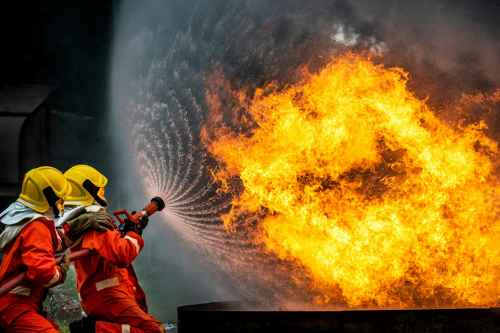
Safety system planning should be documented, standardised, and communicated company-wide to ensure compliance and preparedness as global standards evolve.
How This Affects Recruitment and Staffing in Aviation
As aircraft systems evolve, there’s a growing need for professionals with experience in:
-
Environmental compliance
-
Aircraft system upgrades
-
Safety regulation interpretation
-
Aviation engineering & maintenance
For airlines, MRO providers, and OEMs in the US and Canada, this means hiring skilled technical talent who understand both traditional fire suppression systems and future-ready alternatives.
At VHR, our Aerospace & Aviation specialists work closely with clients worldwide to supply engineers and technicians capable of meeting new global standards. Whether you’re retrofitting existing aircraft or certifying new equipment, having the right team in place is crucial.
Contact our Aerospace and Aviation Recruitment Specialists directly by clicking here
Final Thoughts: Don’t Wait for the Deadline
The global trend is clear: Halon 1211 is being phased out. Even without a legal requirement in North America today, the aviation industry is heading toward halon-free fire suppression. Operators who act now will benefit from better supply chain resilience, lower long-term costs, and enhanced sustainability credentials.


