

What can we do for you?
How It Works
How VHR Supports Your Project
- 01
Remove Existing System
We establish the aircraft type, programme requirements, locations, timescales and technical expertise required.
- 02
Install Power Supply Units
VHR identifies suitable aviation professionals with relevant modification and installation experience.
- 03
Install Routers (WAPS)
We coordinate deployment and mobilisation requirements.
- 04
Install Aircraft Wire Harnesses
Our specialists support your aircraft modification programme for the required duration.
- 05
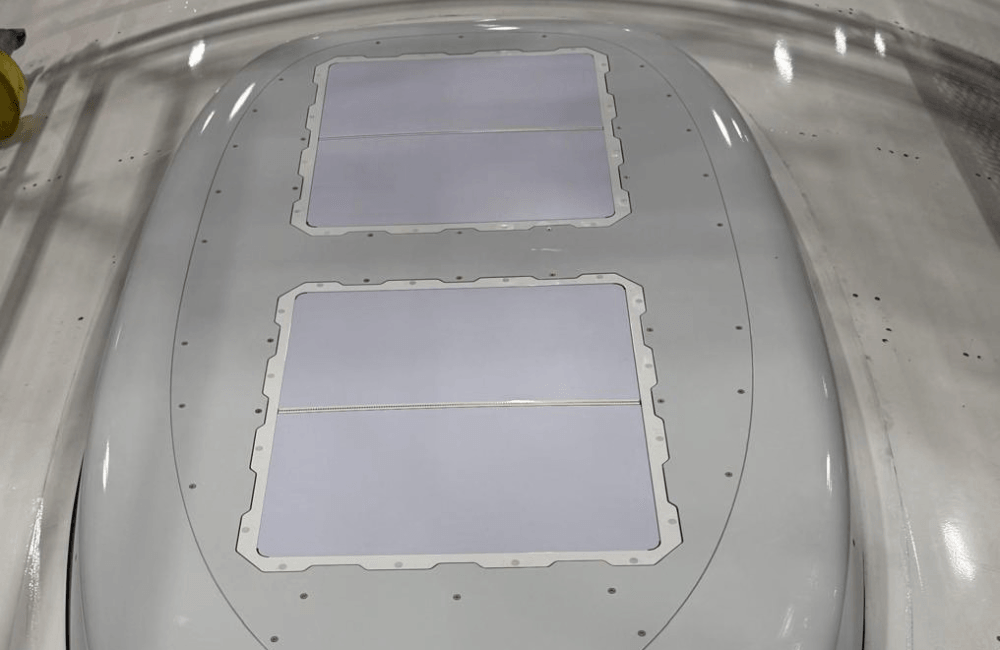
Install Single/Dual Tile Antennas
- Pass-Throughs
- Fitting upgrade & replacements
- Base plate adaptation
- Base plate installation
- Support plate installation
- Harness installation
- Top cover and skirting installation
- 06
Install System Software
- 07
System Test and Connectivity
Carry out power checks on routers, power supply units and crossovers. System configuration and connectivity.
Understanding the Cost of Aircraft Wi-Fi Installation
The total cost of a Wi-Fi installation varies depending on several factors, including aircraft type, fleet size, installation scope, and the level of engineering support required. Pricing will typically take into account any agreed pre-installation engineering activities, aircraft preparation work, de-modification requirements, stage inspections, certification support, and final testing and sign-off activities. We provide transparent, tailored quotations based on the specific requirements of each project.
Our quotations are designed to provide full cost visibility from the outset. Agreed pricing will include the installation, testing, and associated travel and subsistence expenses, ensuring there are no unexpected charges during project delivery.
Aircraft connectivity has become an increasingly important factor for both passengers and operators. The availability of reliable in-flight Wi-Fi can enhance the passenger experience, improve customer satisfaction, and strengthen an airline’s competitive position. From an asset perspective, a professionally installed and certified connectivity solution may also increase the attractiveness of the aircraft to future operators or lessors, particularly in markets where passenger connectivity is considered a standard offering.
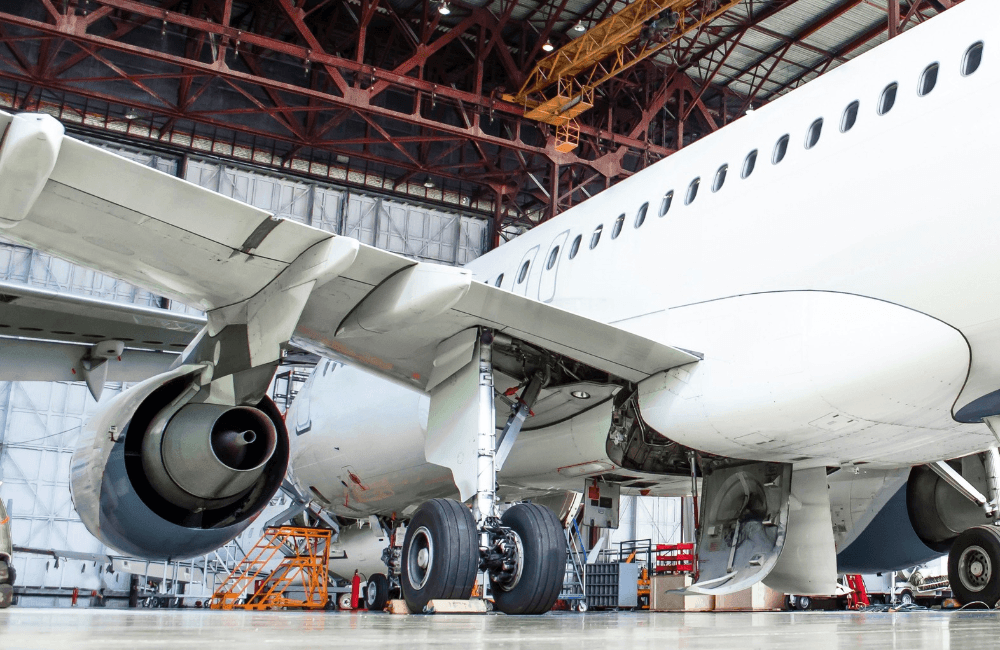
Approved Supplemental Type Certificates (STCs) are available for most commonly operated aircraft types, significantly reducing certification complexity and programme timelines. During the project planning phase, we will confirm STC availability for your specific aircraft type and selected connectivity solution, and advise on any additional approval requirements, if applicable.
VHR can provide comprehensive post-installation support throughout the entry-into-service and operational phases of the programme. This support is delivered in collaboration with the selected connectivity provider, ensuring a coordinated approach to troubleshooting, system performance monitoring, warranty support, and ongoing technical assistance. Our objective is to ensure a smooth transition into service and continued reliable operation of the onboard connectivity system.
What to Expect from Modern In-Flight Connectivity
Modern airborne connectivity solutions are designed to support bandwidth-intensive applications such as video streaming, video conferencing, voice-over-IP calls, web browsing, messaging, and business applications. Actual performance will depend on the connectivity provider, aircraft configuration, passenger demand, and network management settings, but systems are capable of delivering a high-quality user experience throughout the flight.
Coverage is typically available on a global basis, subject to the service provider's network coverage and regulatory restrictions in certain regions. When the aircraft has an unobstructed connection to the satellite network, passengers can expect reliable connectivity across the vast majority of international and domestic routes, including transoceanic operations.
Our teams have experience installing, maintaining, and supporting a range of industry-leading connectivity solutions, including Starlink Aviation and Viasat.
We can provide support throughout the installation lifecycle, including aircraft surveys, engineering input, installation, testing, certification support, and entry-into-service activities, depending on the operator's requirements.
Help & Information
Frequently Asked Questions
Installation timelines are dependent on the aircraft type and scope of work. As a general guideline, short-haul aircraft can be equipped within one day, while long-haul aircraft typically require up to three days, subject to the timely provision of all required aircraft inputs and access.
Yes, Wi-Fi installations can be incorporated into planned maintenance activities. To minimise operational disruption and maximise efficiency, the installation is typically scheduled towards the end of the maintenance check, when the majority of maintenance tasks have been completed. Access to aircraft electrical power is required during this phase to support system integration, functional testing, and final verification activities. This approach helps ensure a smooth installation while avoiding conflicts with other maintenance workstreams.
Yes. We can deploy experienced mobile installation teams comprising both avionics technicians and sheet metal specialists with expertise across a wide range of connectivity and in-flight entertainment systems. Our teams are accustomed to working within scheduled maintenance environments and can provide flexible support during aircraft downtime, helping operators minimise time out of service while ensuring efficient and compliant installation delivery.